



Wie laste ich meinen Hund richtig aus?
Für viele Hundebesitzer ist die richtige Auslastung ein zentrales Thema. Wirkt ein Hund unruhig oder unkonzentriert, wird oft fehlende Auslastung vermutet – tatsächlich kann jedoch auch zu wenig Schlaf der Grund sein. Hunde schlafen tagsüber im Durchschnitt etwa 20 Stunden, inklusive Dösen und Ausruhen. Welpen und Senioren benötigen oft noch mehr Ruhe, bis zu 22 Stunden. Diese Pausen sind essenziell, um Erlebtes zu verarbeiten, besonders bei jungen Hunden, die schnell überfordert sein können.
Gemütliche orthopädische Hundebetten sowie maßgefertigte Decken und Matten von EMMY & PEPE unterstützen die erholsamen Ruhephasen deines Vierbeiners.
Neben körperlicher Auslastung ist auch mentale und soziale Förderung wichtig, ebenso wie rassespezifische Beschäftigung. Ein abwechslungsreicher Tagesablauf verhindert Langeweile – ob beim Gassigehen oder bei der Leckerli-Suche. Eine gesunde Balance aus Ruhe und Aktivität sorgt für einen zufriedenen Hund.
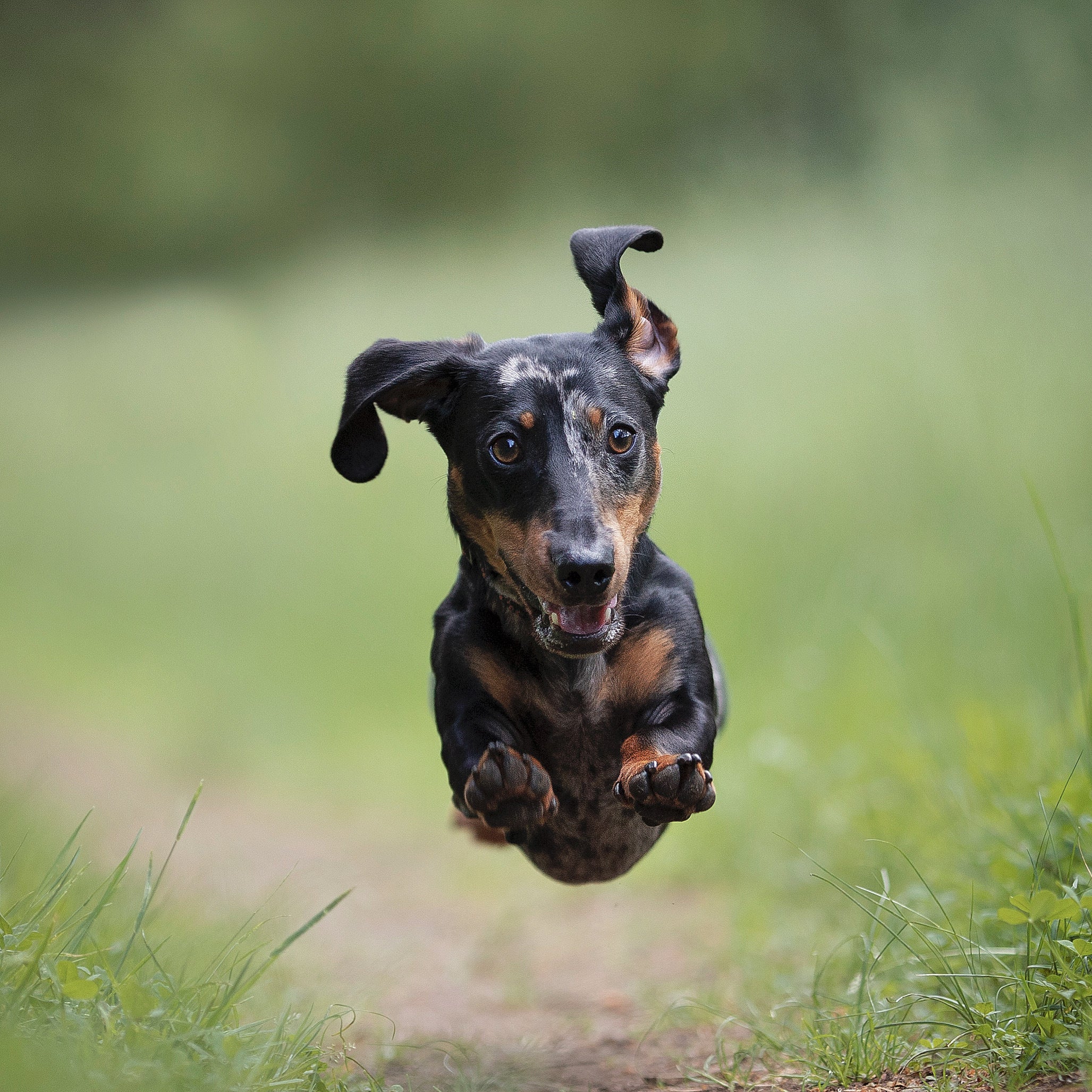
Worauf sollte ich achten?
1. Spaß
Am wichtigsten ist natürlich, dass dein Hund Spaß an der Art der Beschäftigung findet. Es gibt Hunde, welche sich für viele Arten der Beschäftigung begeistern können. Andere blühen vielleicht beim Fährtentraining auf, sind jedoch keine guten Begleiter für die morgendliche Joggingrunde. Beobachte deinen Hund und ziehe im Zweifel den Rat eines Experten herbei.
2. Mentale & körperliche Beschäftigung
Auch mentale Beschäftigung kann anstrengend für deinen Hund sein. Du musst deinen Vierbeiner nicht immer nur körperlich auslasten; viele Hunde haben große Freude an mentalen Aufgaben. Rassespezifische Beschäftigungen: Es gibt Hunde, welche aus speziellen Gründen gezüchtet worden sind. Diese haben besonders an rassespezifischen Beschäftigungen Freude. Beispielsweise wurden Jagdhunde und Bracken speziell für die Jagd gezüchtet, und haben oft sehr viel Spaß an der Dummyarbeit.
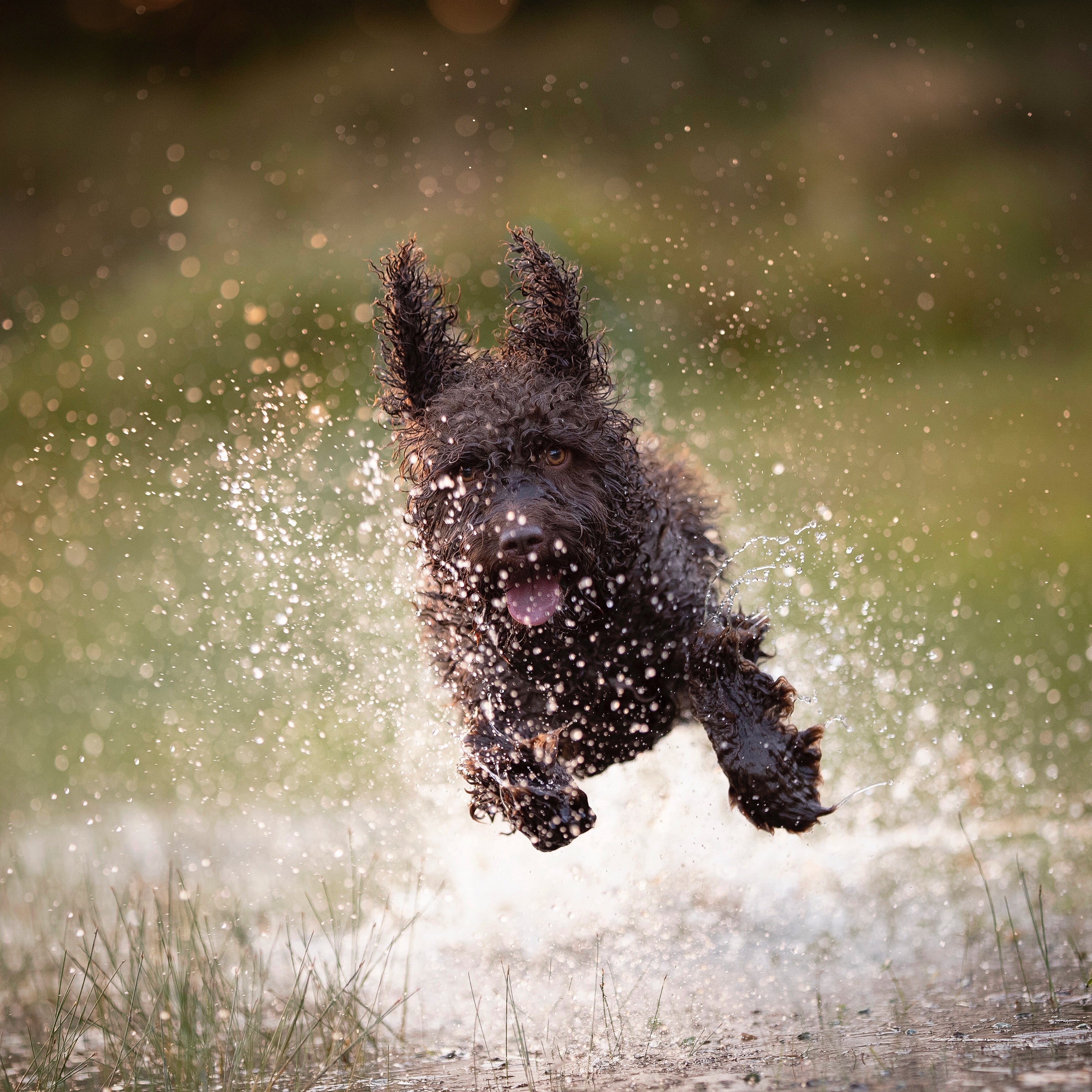
3. Soziale Beschäftigungen
Hunde müssen zwar nicht jeden Hund begrüßen, welchen sie im Laufe eines Spaziergangs treffen, soziale Kontakte können jedoch auch bei unseren Vierbeinern sehr wichtig sein.
4. Fordernd, aber lösbar
Besonders bei Such- und Intelligenzspielen ist es wichtig, dass du deinen Hund nicht überforderst. Fange klein an und arbeite dich Schritt für Schritt mit deinem Vierbeiner voran. Setze, genauso wie im Training, auf kleine Erfolgserlebnisse und habe viel Geduld.
5. Altersgerechte Beschäftigung
Vielleicht liegt es auf der Hand, dass die Mehrheit von Seniorenhunden einfach nicht mehr als Joggingbegleiter geeignet sind. Ebenso sollten jedoch auch Welpen, oder Hunde mit wenig Ausdauer oder einfach wenig Motivation nicht zu Beschäftigungen gezwungen werden. Besonders Seniorenhunde möchten auch in hohen Jahren noch gefordert werden; hier eignen sich besonders Denk-, Such- oder Intelligenzspiele.
Körperliche Beschäftigungen für den Hund
Die körperliche Auslastung der Hunde wird hauptsächlich in der Natur vorgenommen. Allerdings gibt es auch eine Reihe von körperlichen Beschäftigungen, welche in der Wohnung durchgeführt werden können.
Hundesport
Hundesport
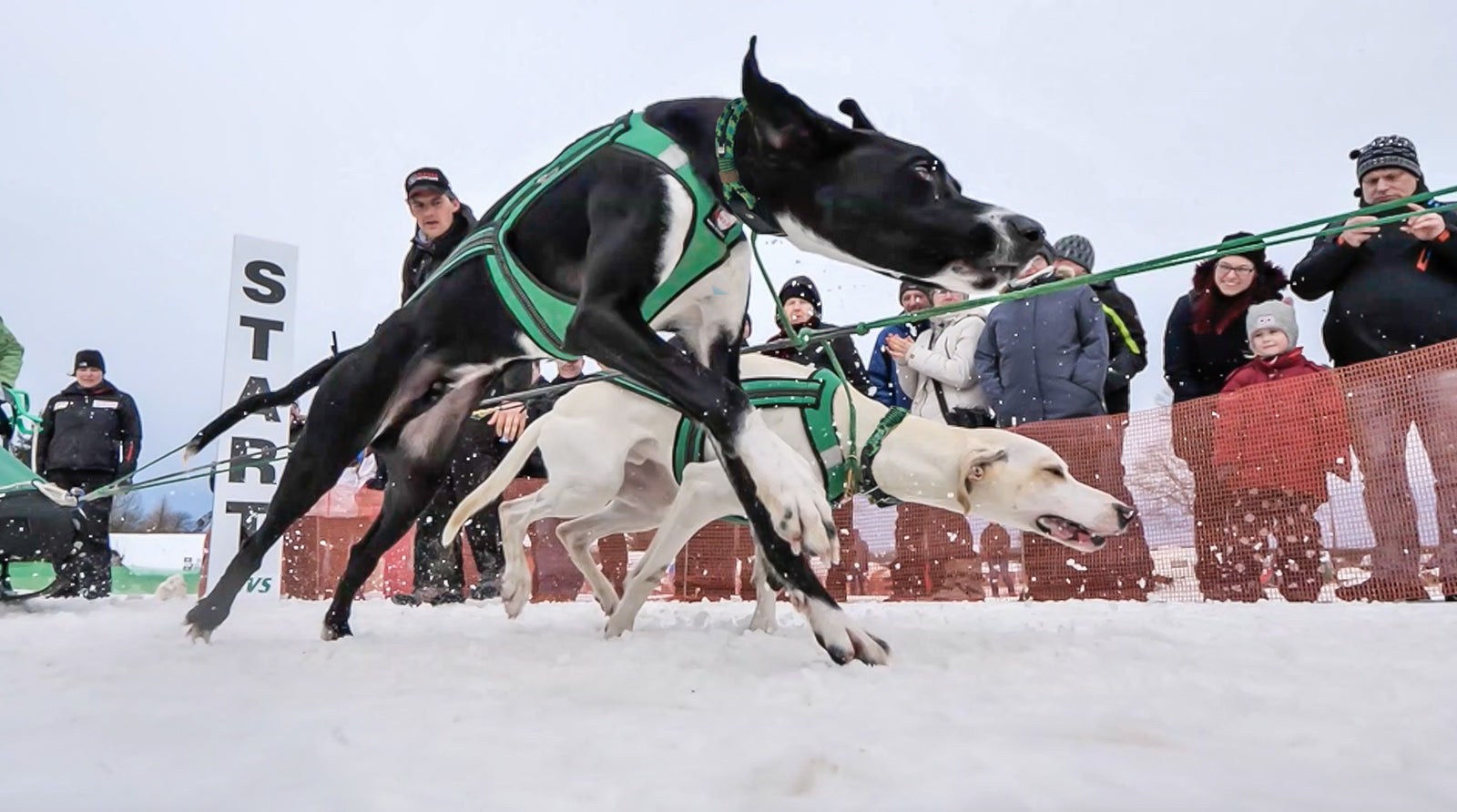
Neben Spaziergängen gehört Hundesport zu den beliebtesten körperlichen Beschäftigungen. Besonders beliebt sind Agility, Canicross, Bikejöring und Rally Obedience. Fährtentraining oder Mantrailing fördert Konzentration und Ausdauer, da die Hunde über längere Strecken Fährten verfolgen. Cavaletti-Training und Hoopers eignen sich besonders für Seniorenhunde, sollten aber dem Gesundheitszustand angepasst werden. Cavaletti-Übungen aus dem Agility-Training lassen sich auch zu Hause oder im Garten umsetzen. Achte auf rutschfeste Untergründe und sichere Hindernisse – alternativ können niedrige Sprünge mit glatten Ästen nachgestellt werden.
Laufen
Laufen
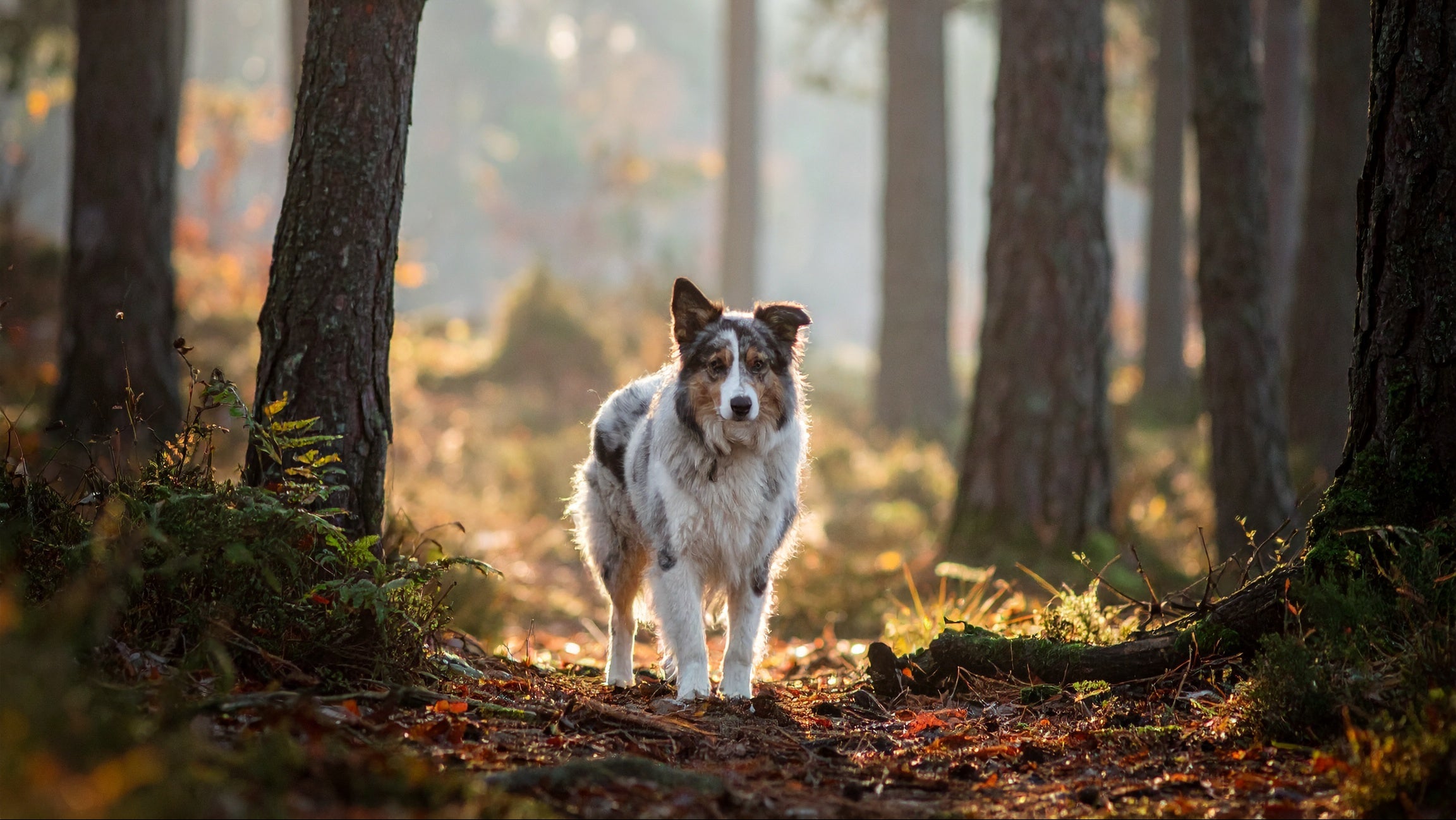
Ein ausgiebiger Spaziergang in der Natur tut vielen Vierbeinern gut. Sie können schnüffeln, toben und rennen, und ein wenig ihre eigenen Wege gehen. Sportliche Hunde haben auch viel Gefallen daran, wenn sich ihr Besitzer auf das Fahrrad oder in die Inliner schwingt. Endlich kann sich der Zweibeiner ihrem Tempo anpassen. Natürlich sollte auch hier der Hund nicht bis zum Umfallen ausgepowert werden, ein Großteil an Hunden genießt jedoch zur Abwechslung ein schnelles Tempo bei der Gassirunde. Achte darauf, dass dein Hund die Möglichkeit für Pausen hat.

Schwimmen
Schwimmen
Wenn dein Hund Wasser mag, ist das Schwimmen in See oder Meer auch eine gute Form der körperlichen Auslastung. Ein Vorteil des regelmäßigen Schwimmen-Gehens ist vor allem, dass es nur Vorteile für das Muskeltraining deines Hundes hat.
Spielen
Spielen
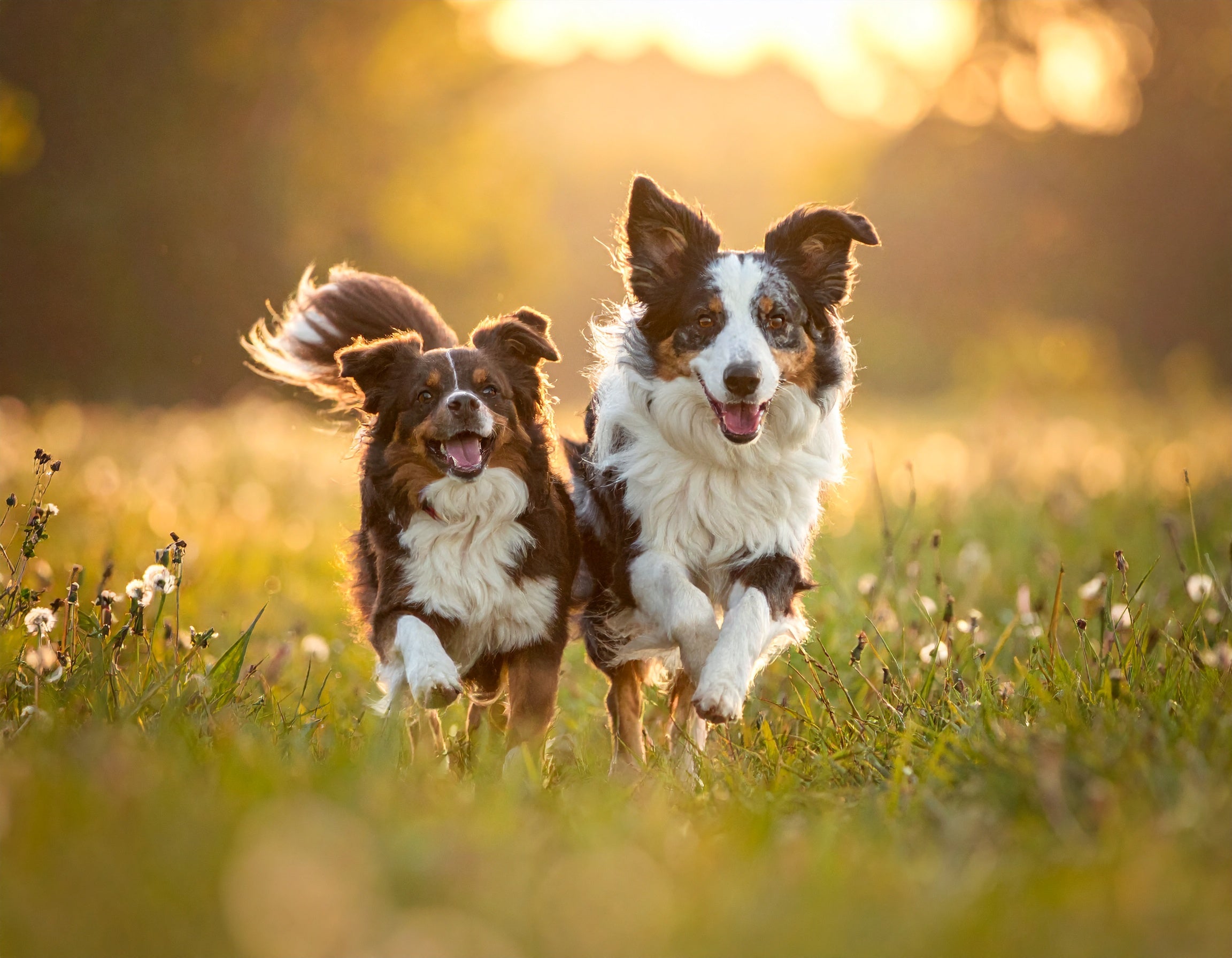
Das Spielen mit Artgenossen ist nicht nur eine körperliche, sondern auch eine soziale Beschäftigung. Jedoch gibt es auch Hunde, welche eher als Einzelgänger bezeichnet werden können, zusätzlich sind auch Artgenossen nicht jederzeit verfügbar. Ausgelassenes Spielen mit deinem Zweibeiner macht den meisten Hunden viel Freude, und lastet sie zusätzlich körperlich aus.
Mentale Beschäftigungen für deinen Hund
Es gibt eine Reihe von Beschäftigungen, welche dafür sorgen, deinen Hund geistig auszulasten. Viele dieser Beschäftigungen können sowohl drinnen als auch draußen getätigt werden, allerdings fällt es vielen Hunden schwer, draußen neue Tätigkeiten zu erlernen. Das liegt daran, dass draußen unglaublich viele Ablenkungen lauern. In der Regel ist es also für dich und für deinen Vierbeiner einfacher, mit neuen Übungen in den eigenen vier Wänden zu beginnen.

Kommandos und Tricks
Kommandos und Tricks
Vielleicht hast du dich auch schon einmal gefragt, warum es so viele Tricks für Hunde gibt, die im Grunde aber keinen großen Mehrwert für das Training haben. Das Erlernen neuer Kommandos fordert den Vierbeiner und stellt ihn vor neue Herausforderungen. Doch nicht nur neue Tricks können eine gute mentale Auslastung für deinen Hund bieten.Auch das Verfestigen bereits erlernter Kommandos kann geistige Anstrengung fordern. Zusätzlich zu verbaler Kommunikation kannst du auch ausschließlich nonverbale Kommandos üben, also nur mit Handzeichen mit deinem Hund kommunizieren. Eine nonverbale Kommunikation kann vor allem in der späteren Lebensphase deines Hundes von Vorteil sein, wenn beispielsweise die Hörfunktion mit der Zeit abnimmt.
Impulskontrolle und Frustrationstoleranz
Impulskontrolle und Frustrationstoleranz
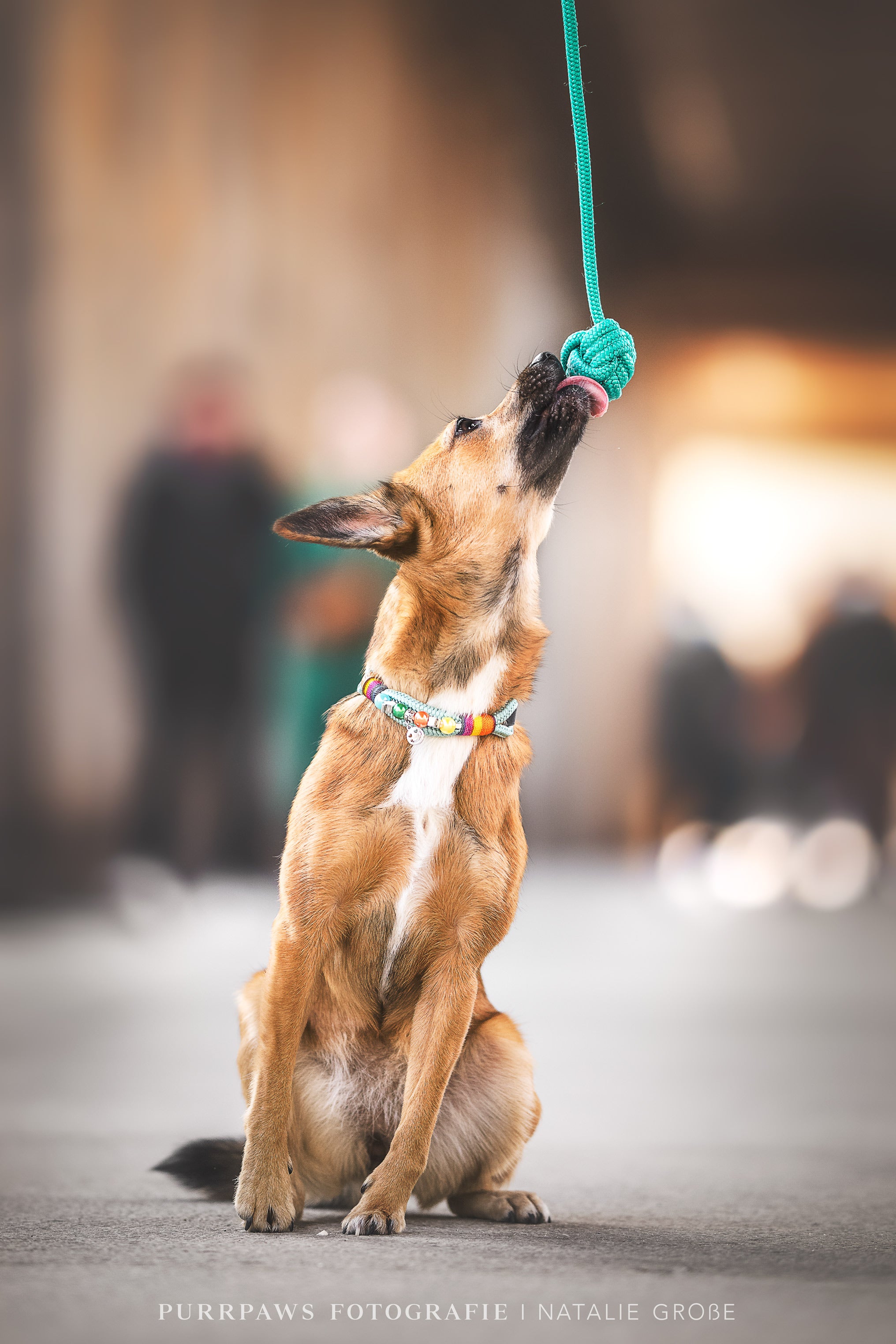
Die Impulskontrolle soll deinem Hund dabei helfen, seine Emotionen und sein Tun kontrollieren zu können. Diese Arbeit fordert nicht nur eine hohe Konzentration deines Vierbeiners, sie kann auch für euer Miteinander eine große Stütze sein. So kannst du zum Beispiel das liebste Spielzeug deines Hundes werfen, ihn jedoch nicht hinterherjagen lassen. Ziel ist es, dem Reiz nicht nachzugeben und das Kommando auszuhalten.Die Frustrationstoleranz deines Hundes aufzubauen, kann sehr anstrengend für den Vierbeiner sein. Nicht nur muss er sich sehr konzentrieren, sondern muss er sich auch in Geduld üben. Solltest du mit deinem Hund noch gar nicht an der Frustrationstoleranz gearbeitet haben, ist es wichtig, dass du hier nur in kleinen Schritten arbeitest.
Nasenarbeit
Nasenarbeit
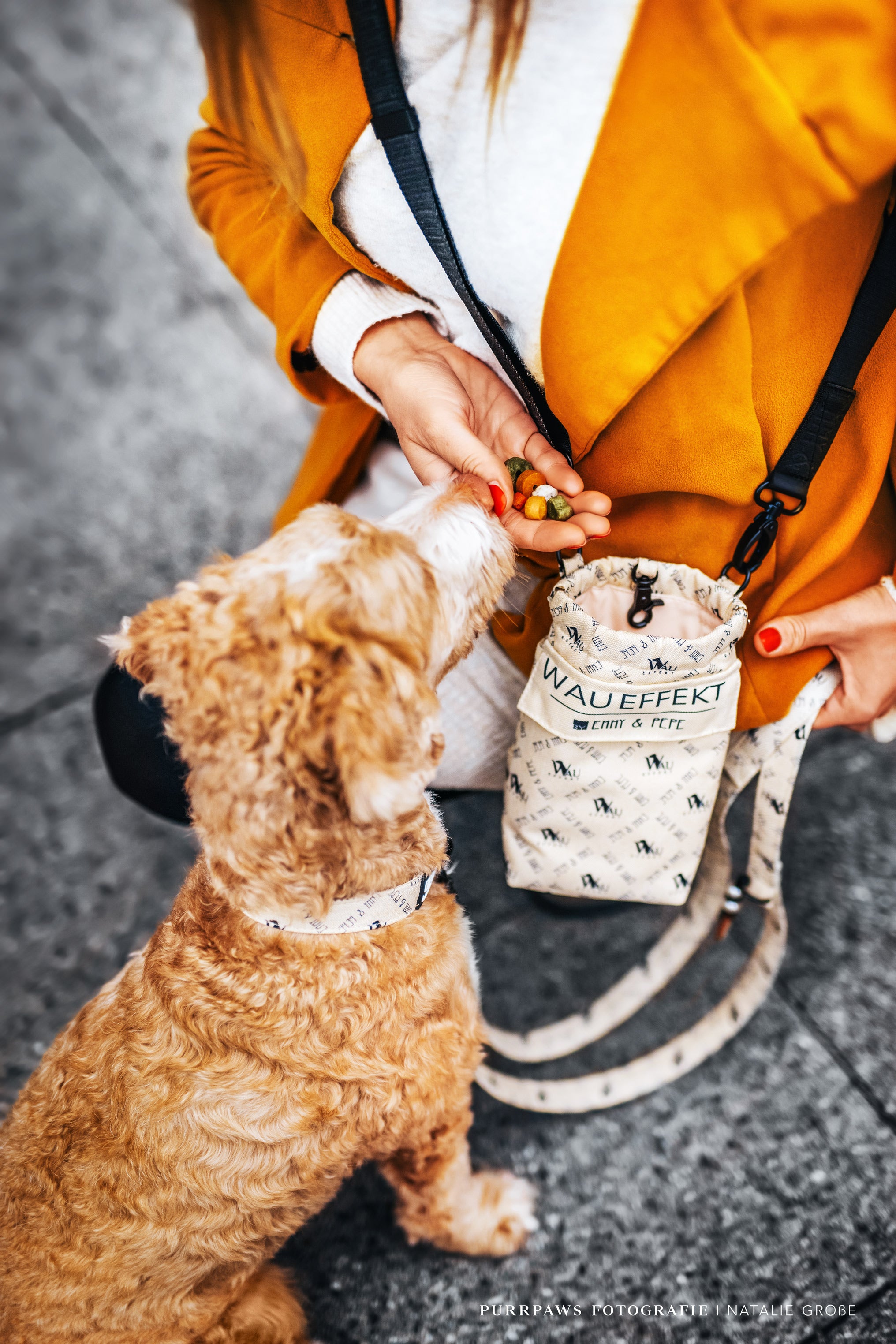
Dass die Nase unserer geliebten Vierbeiner um einiges besser und sensibler ist als unsere eigene, ist den meisten Hundebesitzern bereits klar. Wusstest du, dass Hunde stereoskopisch riechen können? Das heißt, dass beide Nasenlöcher zur gleichen Zeit unterschiedliche Düfte wahrnehmen können, da sie unabhängig voneinander operieren.Um die Nase deines Vierbeiners zu fordern, kannst du Verstecken spielen, also Sucharbeit machen. Hier kannst du Leckerchen oder das Lieblingsspielzeug deines Hundes beispielsweise hinter einem Busch oder in hohem Gras verstecken und es ihn suchen lassen. Drinnen lässt sich diese Beschäftigung ebenso gut durchführen. Ebenso beliebt sind Schnüffel Teppiche.
Intelligenzspiele
Intelligenzspiele
Mittlerweile gibt es eine sehr große Auswahl an Intelligenzspielzeug für Hunde. Besonders an Regen- oder für den Menschen stressigen Tagen kann diese Art von Beschäftigung sehr abwechslungsreich sein. Die meisten Intelligenzspielzeuge sind so konzipiert, dass das Ziel ein Leckerchen ist, welches der Hund aus dem Spielzeug befreien muss. Je nach Schwierigkeitsgrad ist hier eine hohe Konzentration und ein sehr gutes Denkvermögen vom Hund gefordert. Viele Spielzeuge fördern ebenfalls das Nutzen der Nase. Unser Vierbeiner muss lösungsorientiert arbeiten und Geduld bewahren, denn zu viel Stress schränkt das Konzentrationsvermögen ein.
Apportieren
Apportieren
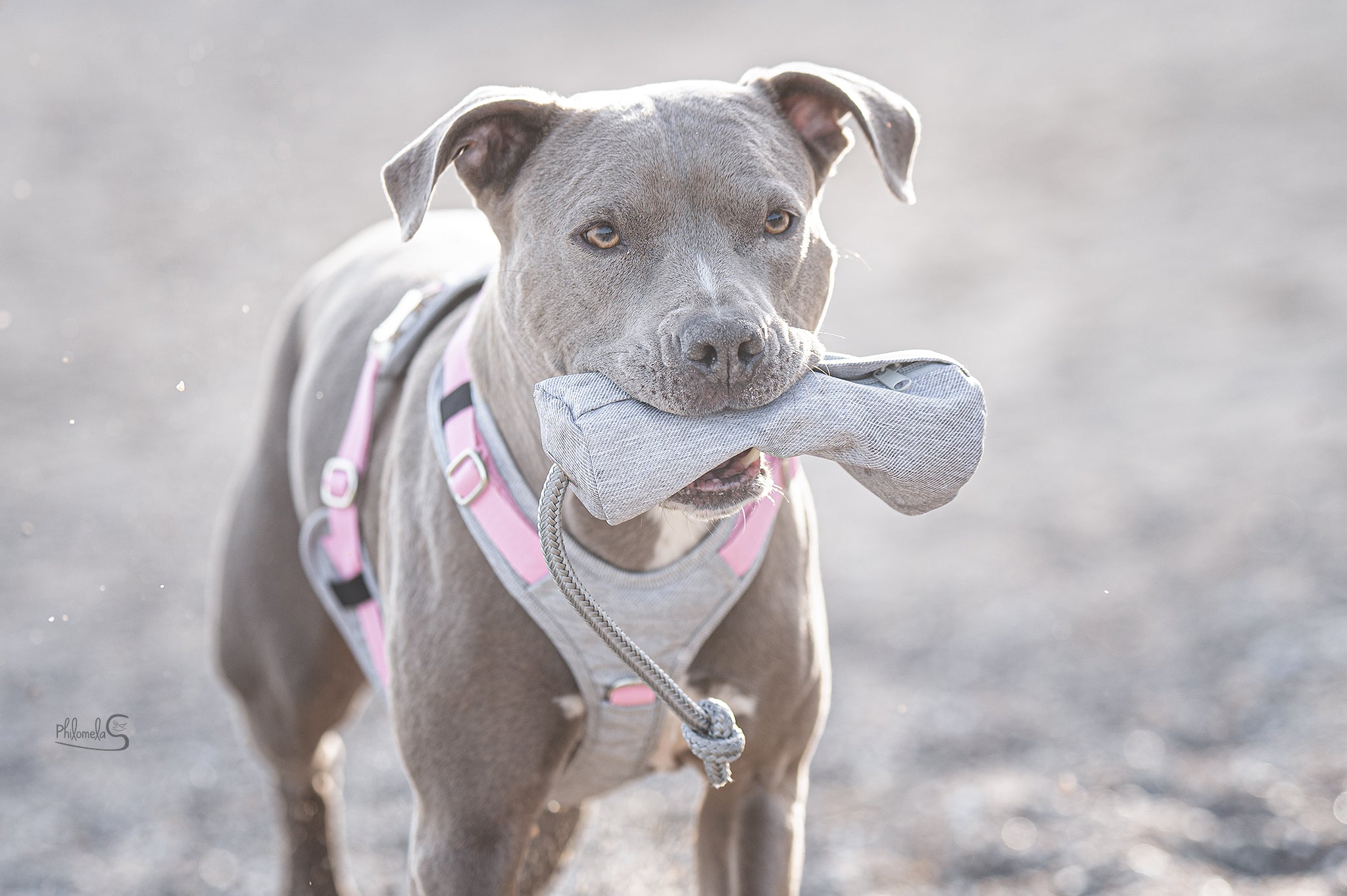
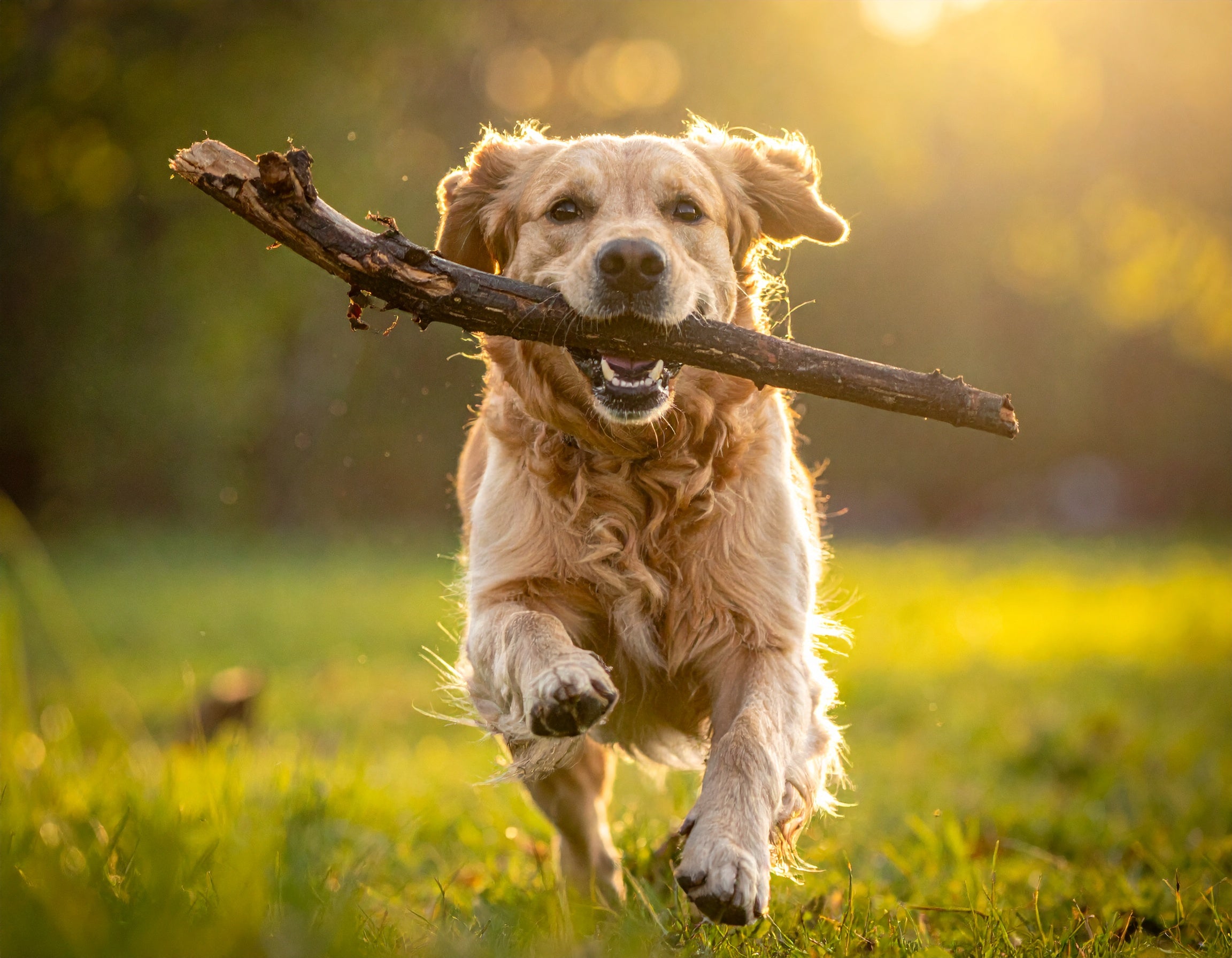
Apportierarbeit macht besonders vielen Jagdhunden und Bracken Spaß, doch auch andere Hunderassen lassen sich gern für das Training begeistern. Hier kannst du zum Beispiel mit einem Dummy, aber auch mit einem einfachen Spielzeug, arbeiten. Das Apportiertraining muss natürlich auch langsam aufgebaut werden, wird jedoch auch schnell zu einer Beschäftigung, welche den Hund sowohl körperlich als auch mental fordert. Wirfst du den Dummy außerhalb der Sichtweite deines Hundes, zwingst du ihn ebenso zur Nasenarbeit.Du bist noch auf der Suche nach einem Dummy oder einem neuen Spielzeug für deinen Liebling? Da bist du bei uns genau richtig!