
Warum unsere grauen Schnauzen besondere Bedürfnisse haben
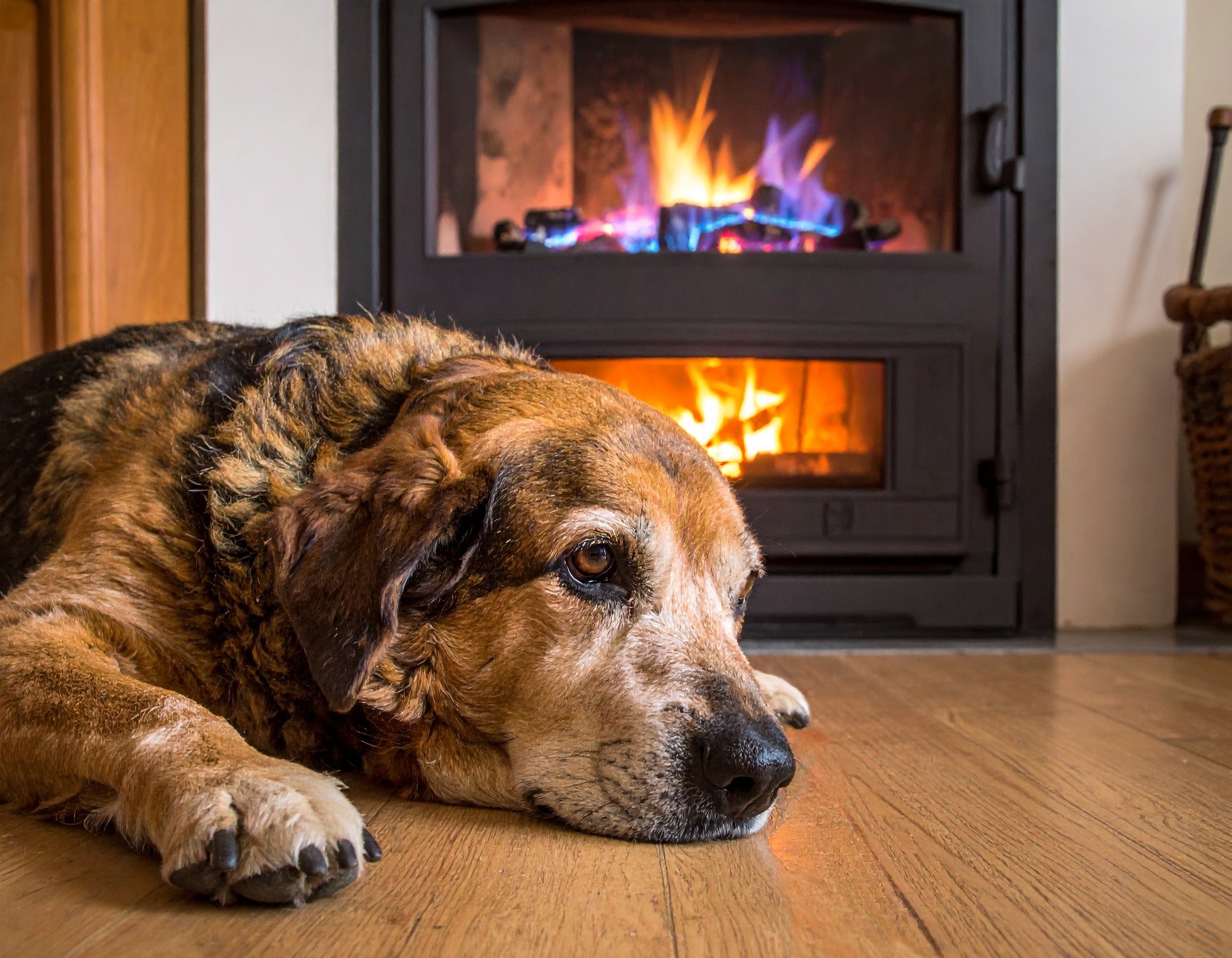
Die grauen Haare um die Schnauze, die langsameren Bewegungen, das schlechtere Hören – ja, unsere Hunde verändern sich mit den Jahren. Aber mal ehrlich: genau das macht sie doch zu ganz besonderen Begleitern! Und auch wenn die Zeit ihre Spuren hinterlässt, können wir unseren Hundesenioren den Alltag mit ein paar Tricks richtig angenehm machen.Denn: Altern können wir nicht aufhalten, aber wir können dafür sorgen, dass unsere Vierbeiner auch im hohen Alter glücklich, fit und gemütlich durchs Leben gehen.
Pflege & Gesundheit für Hundesenioren
Mit dem Alter verändern sich Fell, Haut, Krallen und Bewegungsdrang. Das heißt: wir dürfen ein bisschen mehr unterstützen.
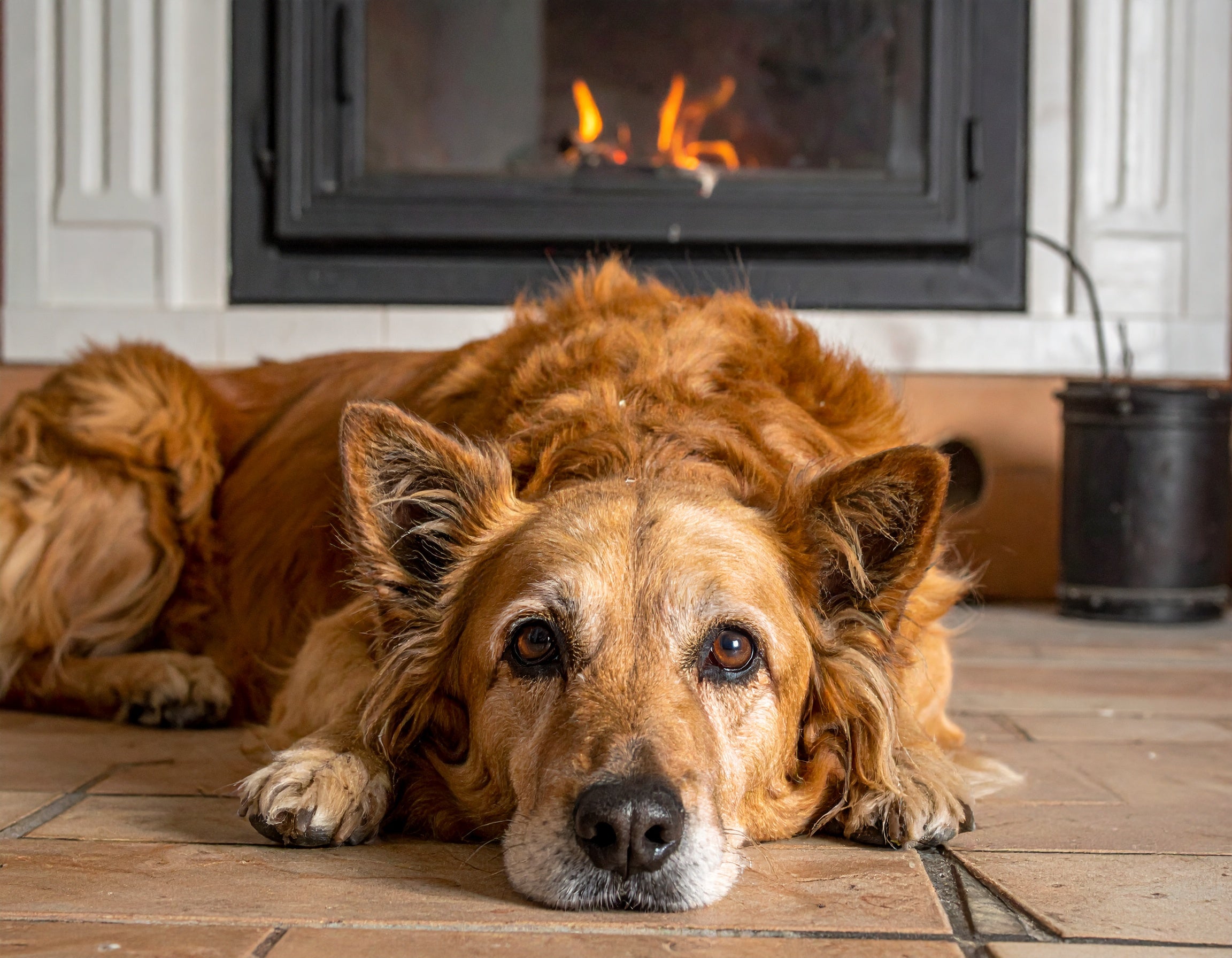
„Naja, die ist halt jetzt einfach alt“ – schon mal gehört?
An dieser Stelle sagen wir: Stopp! Alter ist keine Krankheit und auch keine Ausrede. Auch ältere Hunde können fit, fröhlich und aktiv bleiben.
Doch schauen wir erstmal, was eigentlich passiert, wenn Hunde älter werden:
Der Körper Deines Hundes – genau wie unserer – ist ein wahres Meisterwerk. Alles funktioniert, weil die Mechanismen perfekt zusammenarbeiten. Mit zunehmendem Alter teilen sich die Zellen langsamer oder gar nicht mehr, und Schäden können nicht mehr richtig repariert werden. Gleichzeitig verändern sich Stoffwechsel und Hormonhaushalt.
Das bedeutet häufig:
- Die Muskelmasse nimmt ab, während das Fettgewebe zunimmt
- Hör- und Sehkraft lassen nach – Dein Hund wirkt manchmal unsicher in vertrauten Situationen
- Das Fell verändert sich: grauer, dünner, stumpfer oder schuppiger
- Typische Alterskrankheiten können auftreten
Wie schnell Dein Hund altert, hängt von mehreren Faktoren ab:
- Rasse: Manche Hunde altern schneller, andere langsamer
- Gesundheitliche Vorgeschichte: Vorerkrankungen beeinflussen Wohlbefinden und Lebensqualität
- Lebensstil: Genau wie bei uns Menschen kann eine gesunde Ernährung, ausreichend Bewegung und ein liebevolles Umfeld den Alterungsprozess positiv beeinflussen
Wie Du Deinen Hundesenior unterstützen kannst
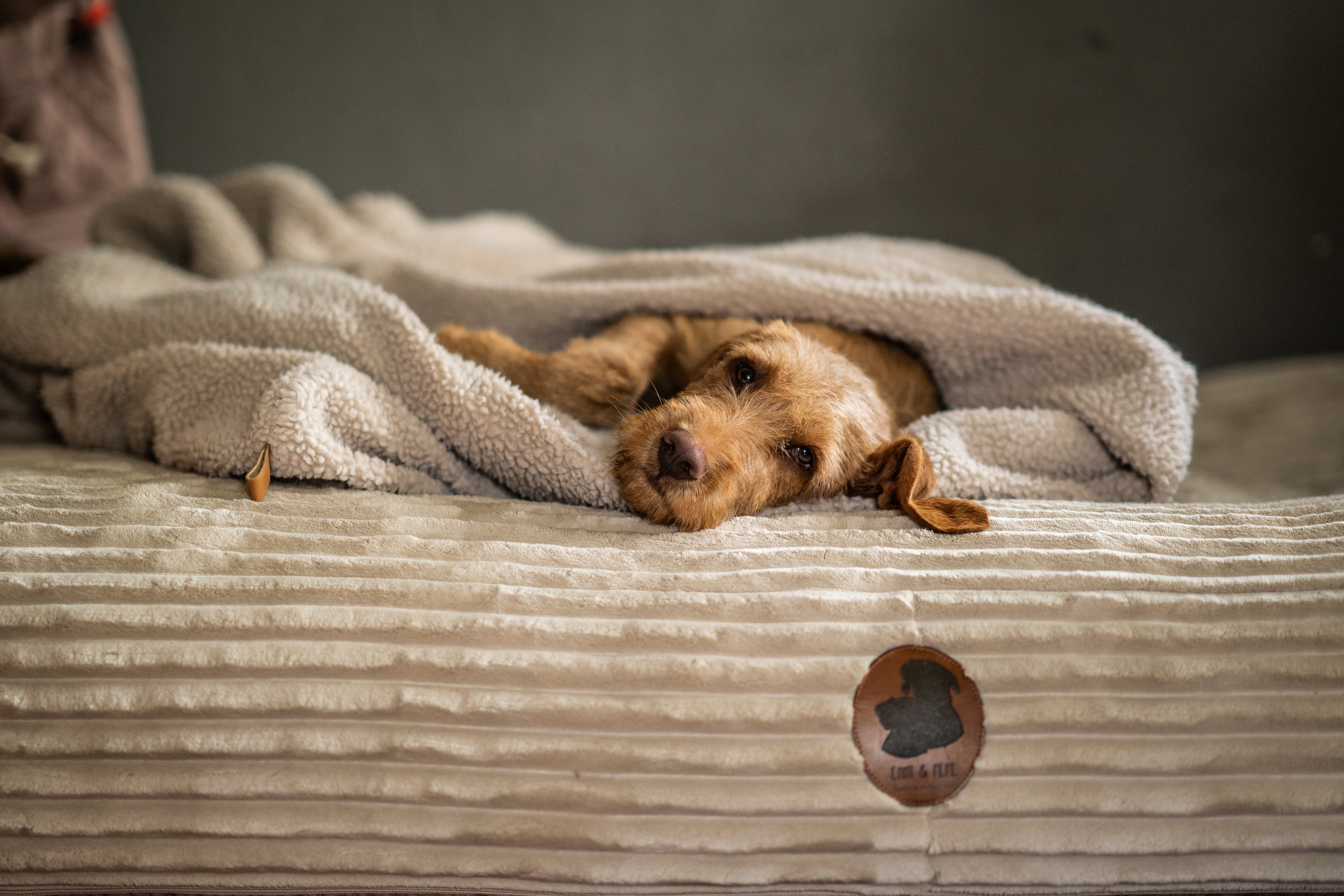
Gesunder Schlaf
Gesunder Schlaf
Ältere Hunde brauchen oft mehr Schlaf – teilweise bis zu 18–20 Stunden am Tag, je nach Rasse, Gesundheit und Aktivität. Guter Schlaf ist super wichtig, weil er der Muskelreparatur, der Immunfunktion und der geistigen Fitness dient. → Unser Tipp: Schau Dir mal unsere gemütlichen Hundebetten an, damit Dein Senior es richtig bequem hat.
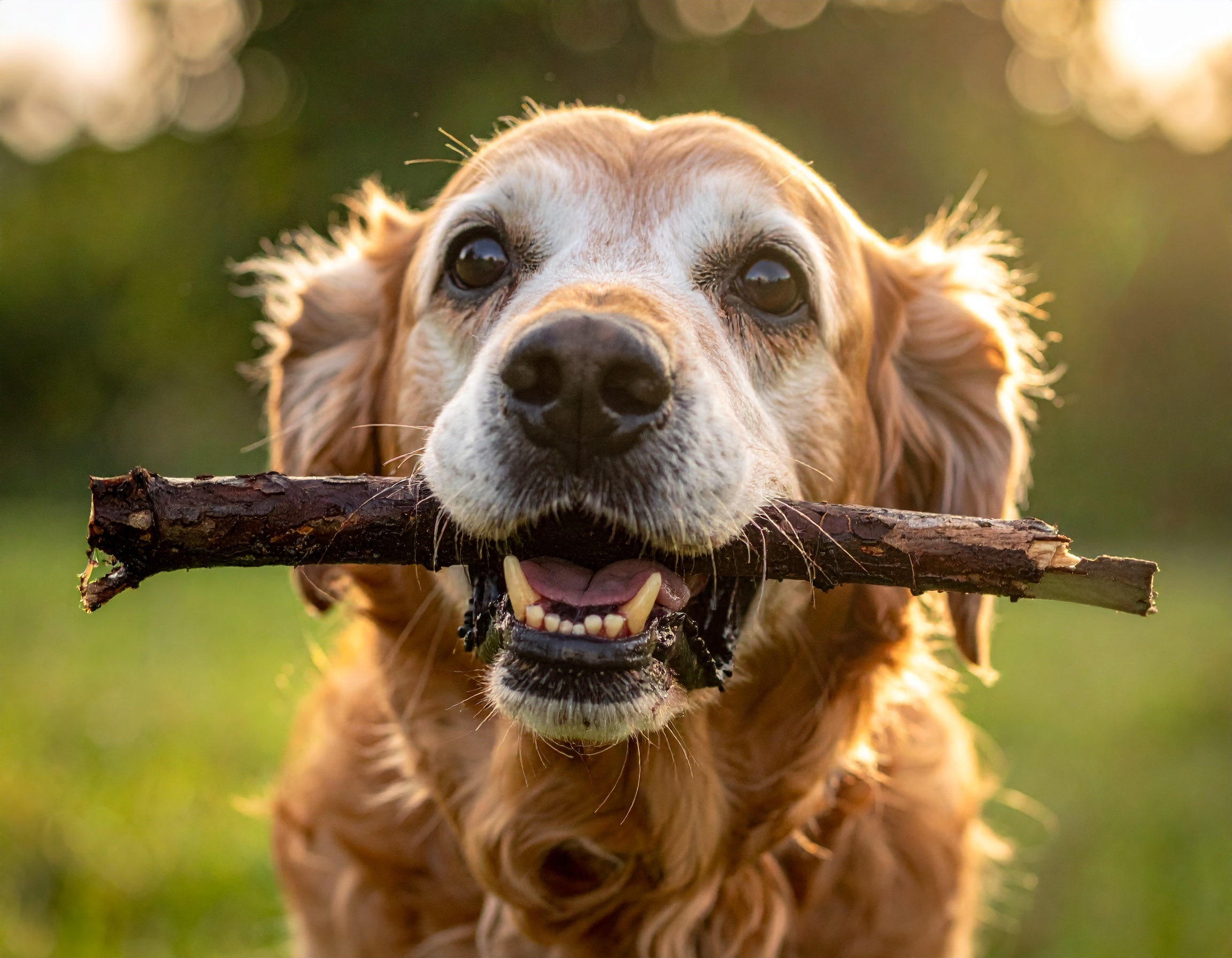
Köpfchen statt Kilometer
Köpfchen statt Kilometer
Jetzt einfach nur noch faul rumliegen? Nein, Quatsch! Auch im Alter bleibt Beschäftigung wichtig. Dabei muss es nicht immer der lange Ausdauerlauf sein.
- Kognitive Aktivitäten wie Denkspiele, Nasenarbeit oder leichte Übungen halten den Kopf fit
- Sanfte Spaziergänge oder spezielle Bewegungsübungen helfen, Muskeln und Gelenke beweglich zu halten
💡 Unser Tipp: Ein ausgebildeter Hundephysiotherapeut oder eine Hundephysiotherapeutin kann speziell für Deinen Hund Übungen zusammenstellen, die perfekt passen.
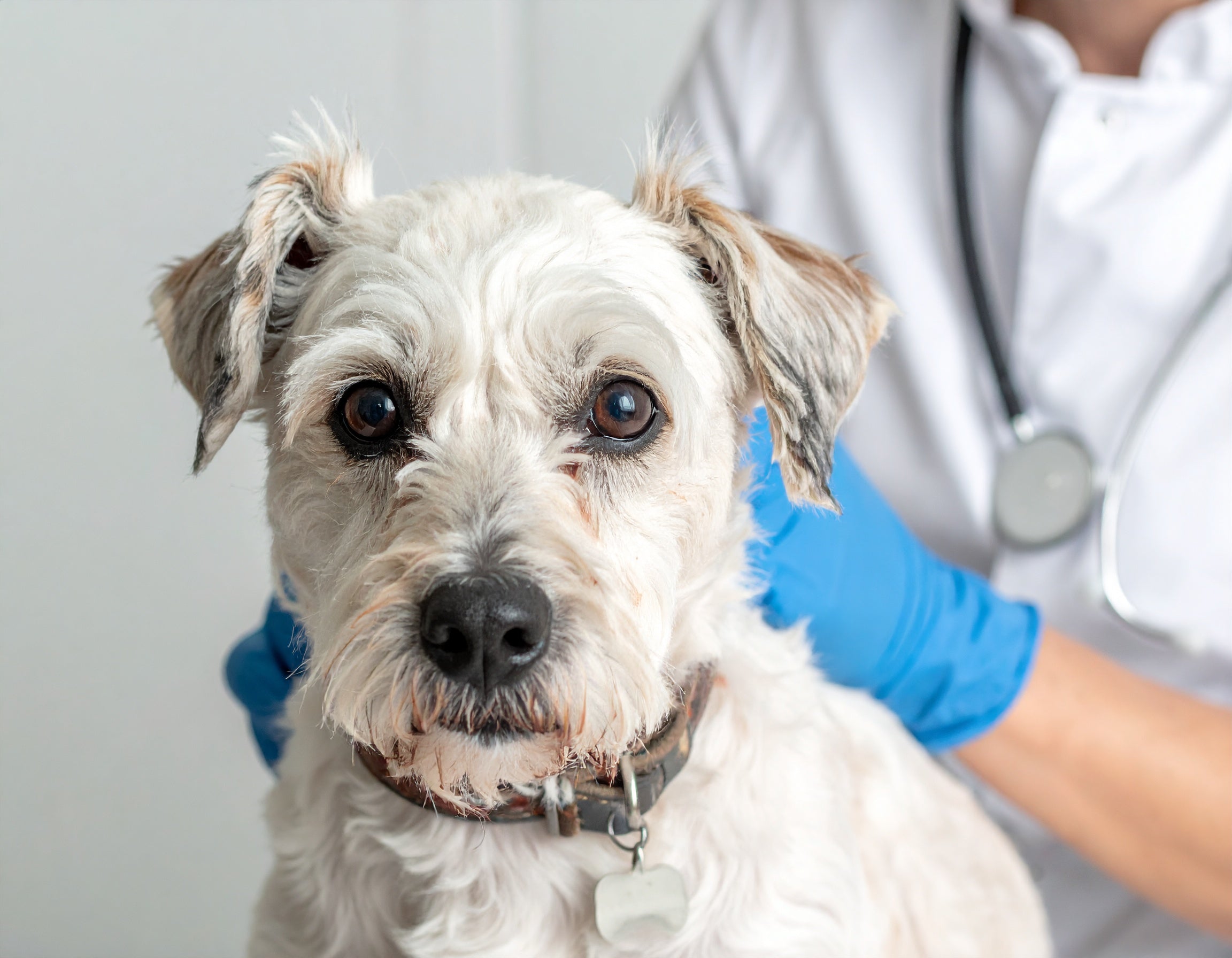
Regelmäßige Check-Ups
Regelmäßige Check-Ups
Tierarztbesuche werden im Alter noch wichtiger. Viele Probleme wie Arthrose, Zahn- oder Herzerkrankungen zeigen sich erst im Frühstadium kaum – nur gezielte Checks bringen Klarheit. Je früher Du etwas entdeckst, desto besser lässt sich behandeln.
Gerade bei Gelenkproblemen lohnt sich auch der Besuch in einer Hundephysiopraxis. Mit gezielten Übungen und Therapien lassen sich Schmerzen lindern und die Beweglichkeit verbessern.
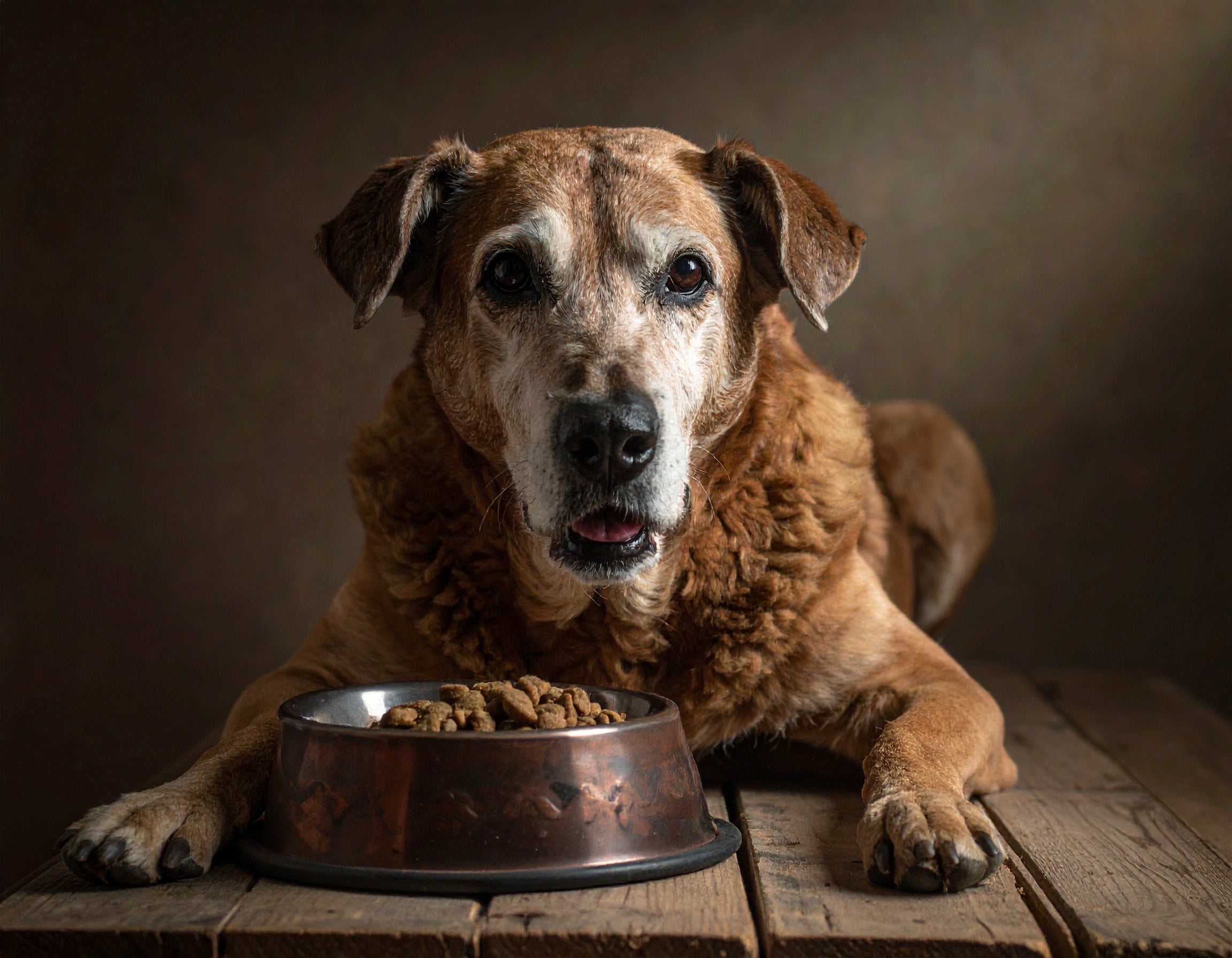
Futter
Du bist, was Du frisst – auch im Alter
Mit zunehmendem Alter verändern sich Stoffwechsel und Energiebedarf: Der Kalorienbedarf sinkt, der Erhalt der Muskelmasse wird wichtiger. Deshalb kann es nötig sein, das Futter anzupassen.
- Hat Dein Hund Zahnprobleme? Dann sollte das Futter angepasst werden
- Bestehen gesundheitliche Einschränkungen wie Nieren- oder Leberprobleme? Auch hier kann eine spezielle Ernährung sinnvoll sein
Krallenpflege
Krallenpflege
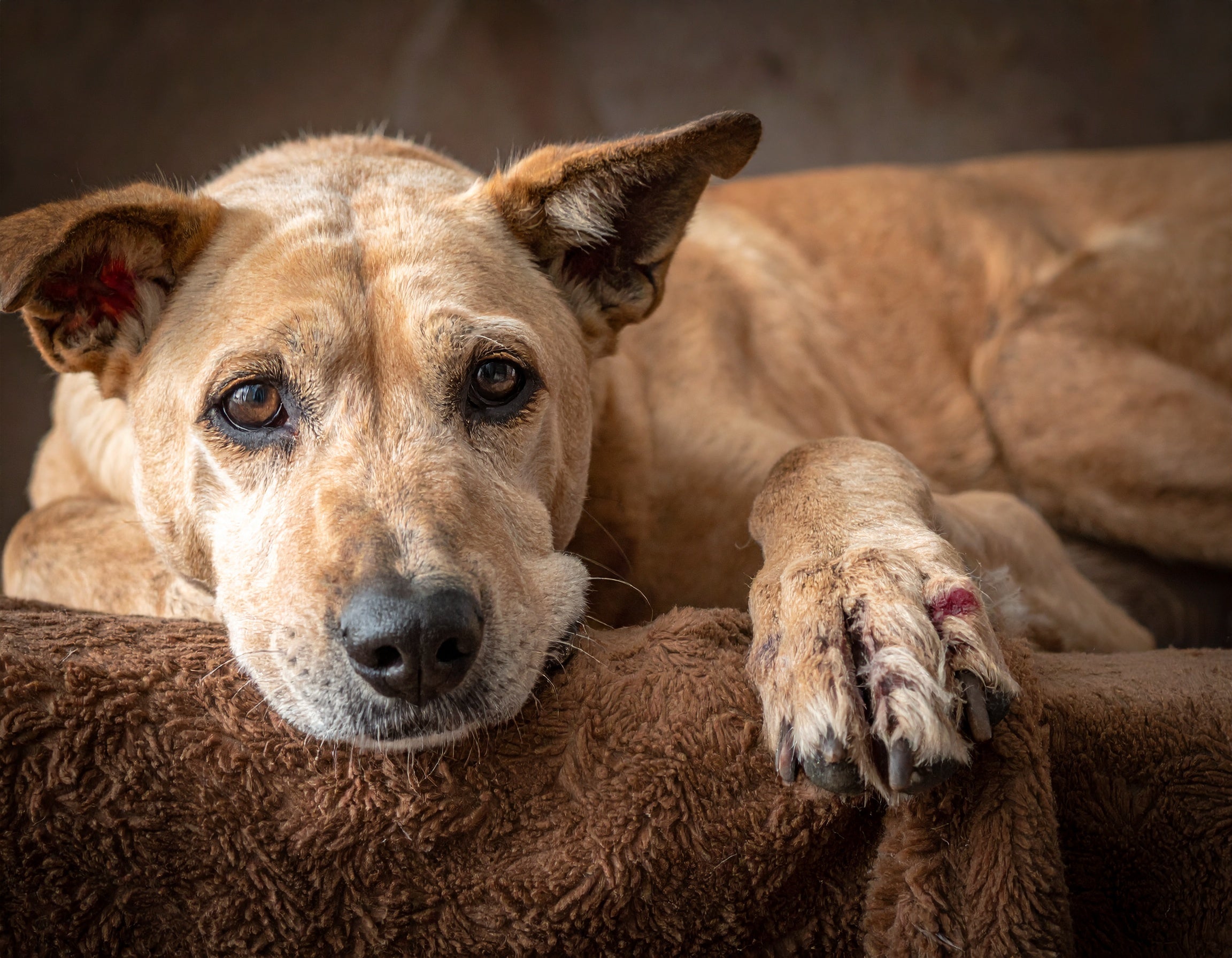
Alte Hunde laufen oft weniger – dadurch nutzen sich die Krallen nicht mehr so gut ab. Zu lange Krallen können zu Fehlhaltungen führen, was Verspannungen und Schmerzen nach sich ziehen kann. Also: regelmäßig kontrollieren und bei Bedarf kürzen.
Fell & Haut
Fell & Haut
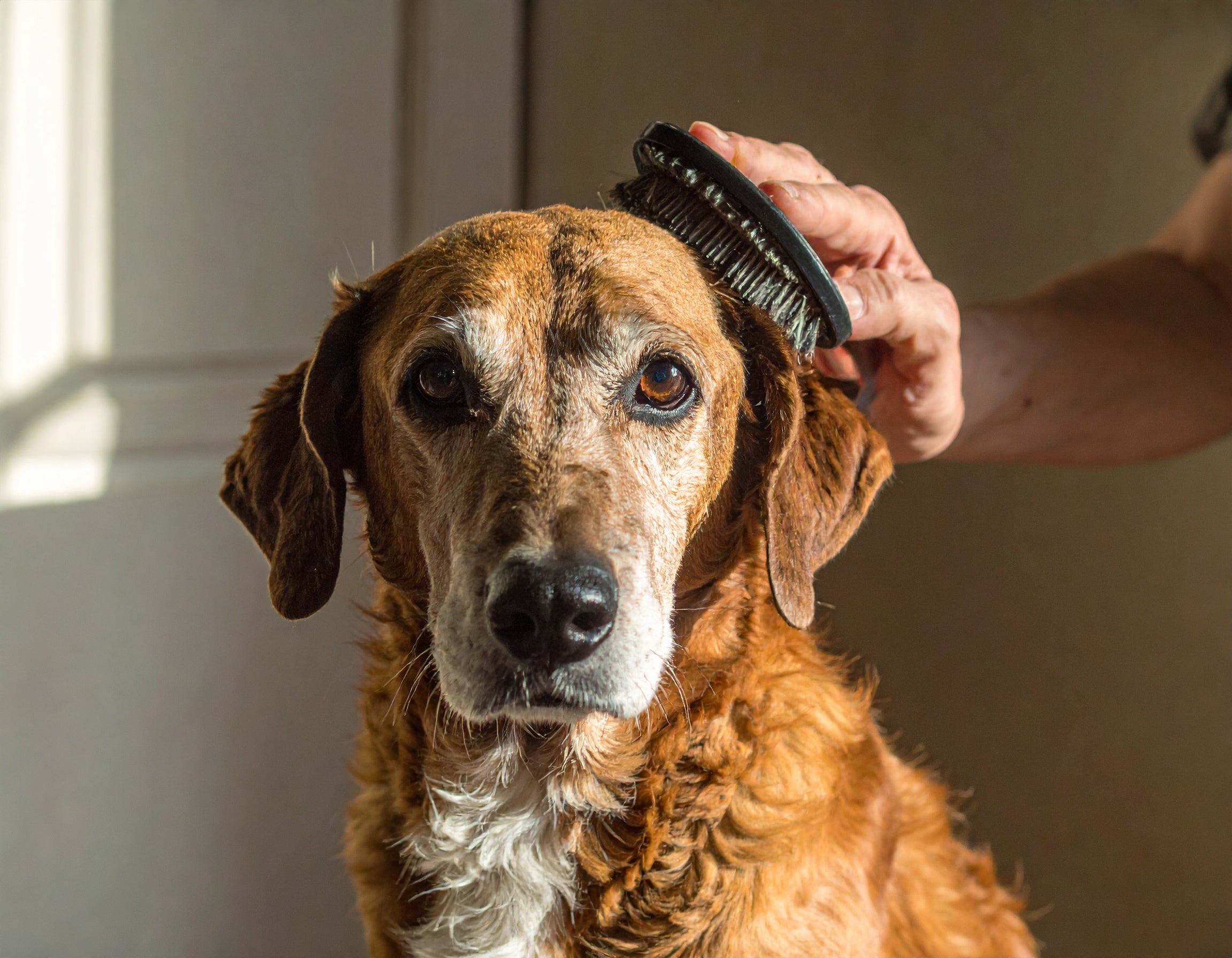
Wenn das Fell stumpf wird, liegt das oft am langsameren Stoffwechsel, hormonellen Veränderungen oder einfach an der verminderten Talgproduktion. Regelmäßige Pflege tut jetzt besonders gut.
Frieren im Alter
Frieren im Alter
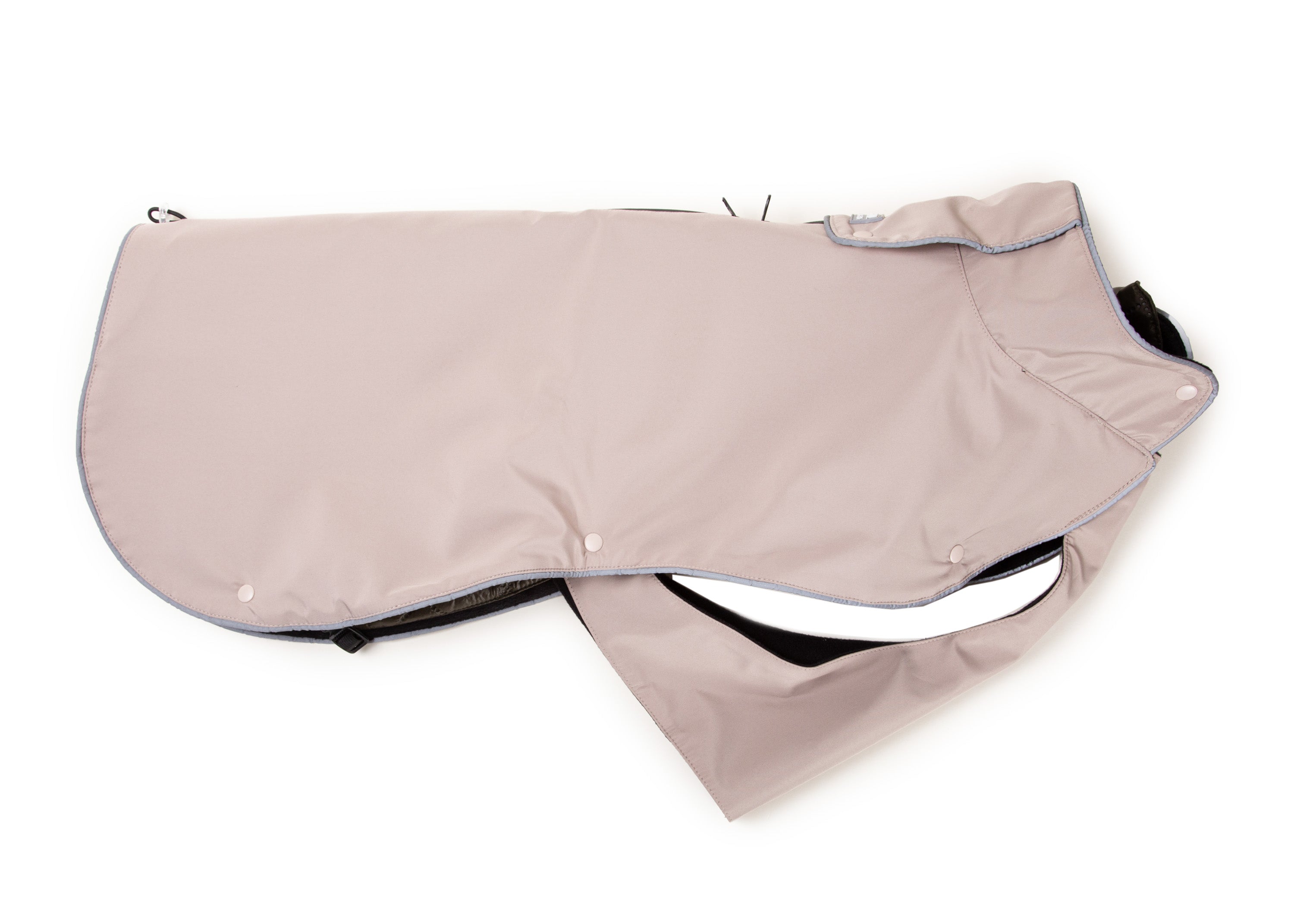
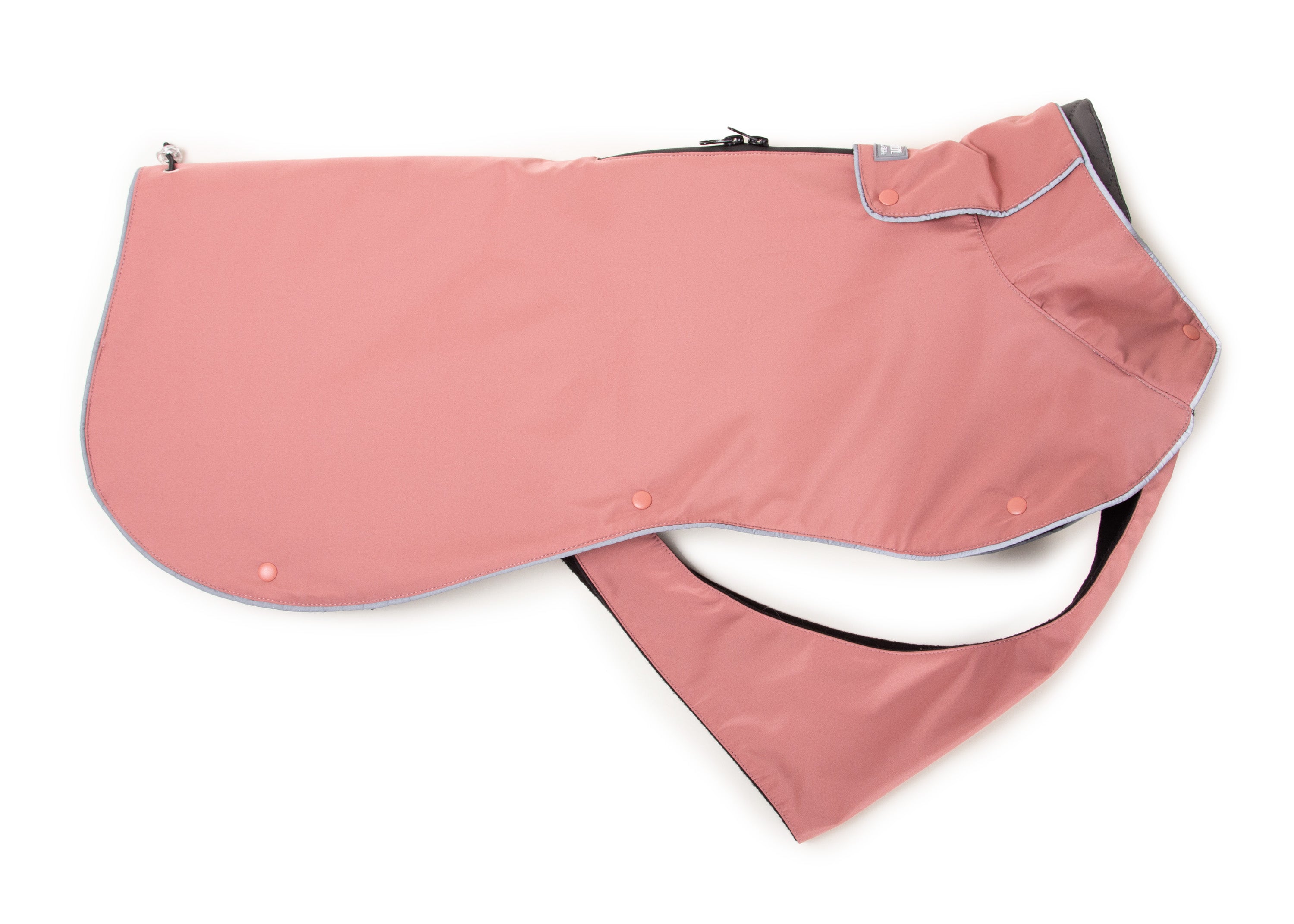
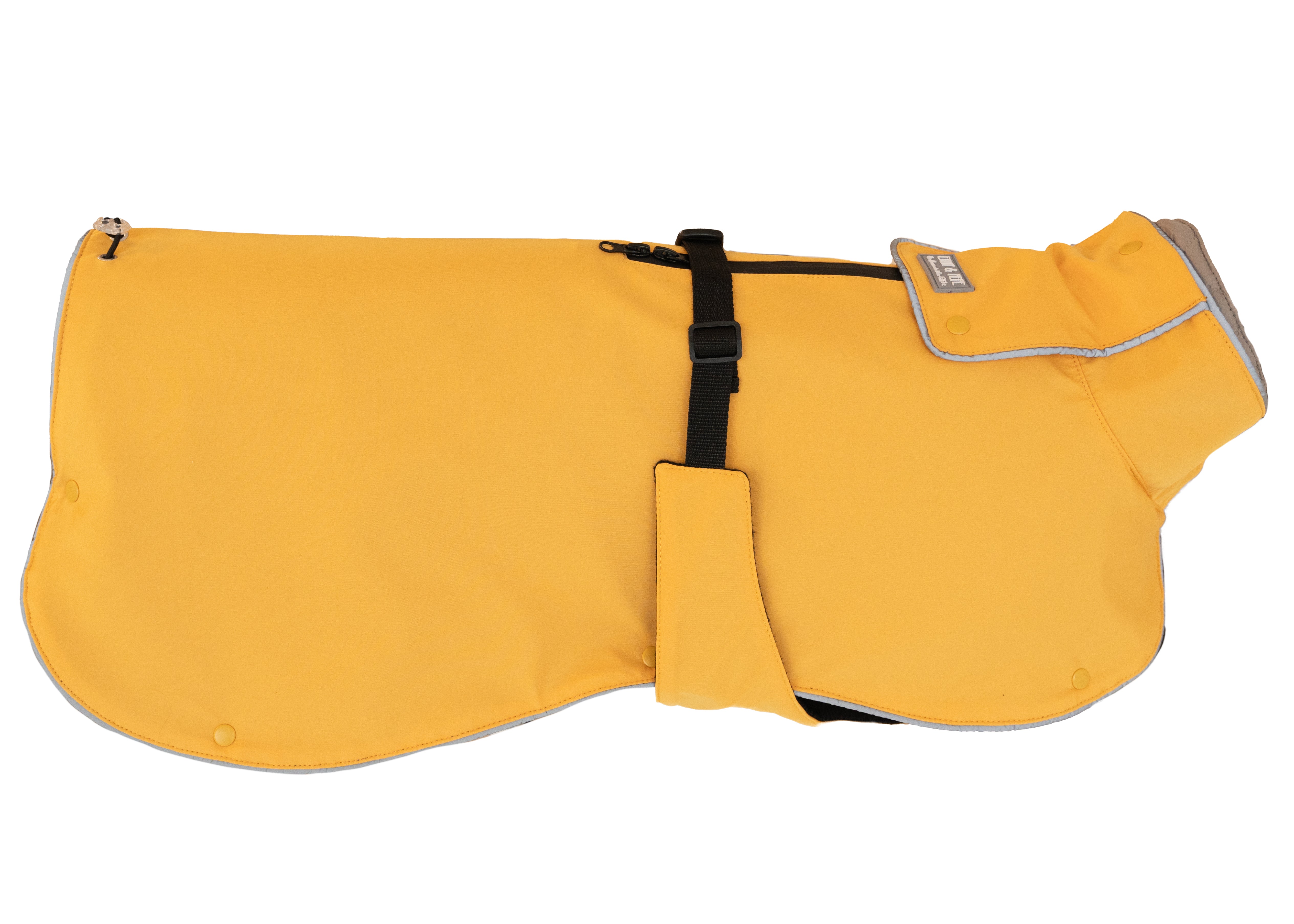
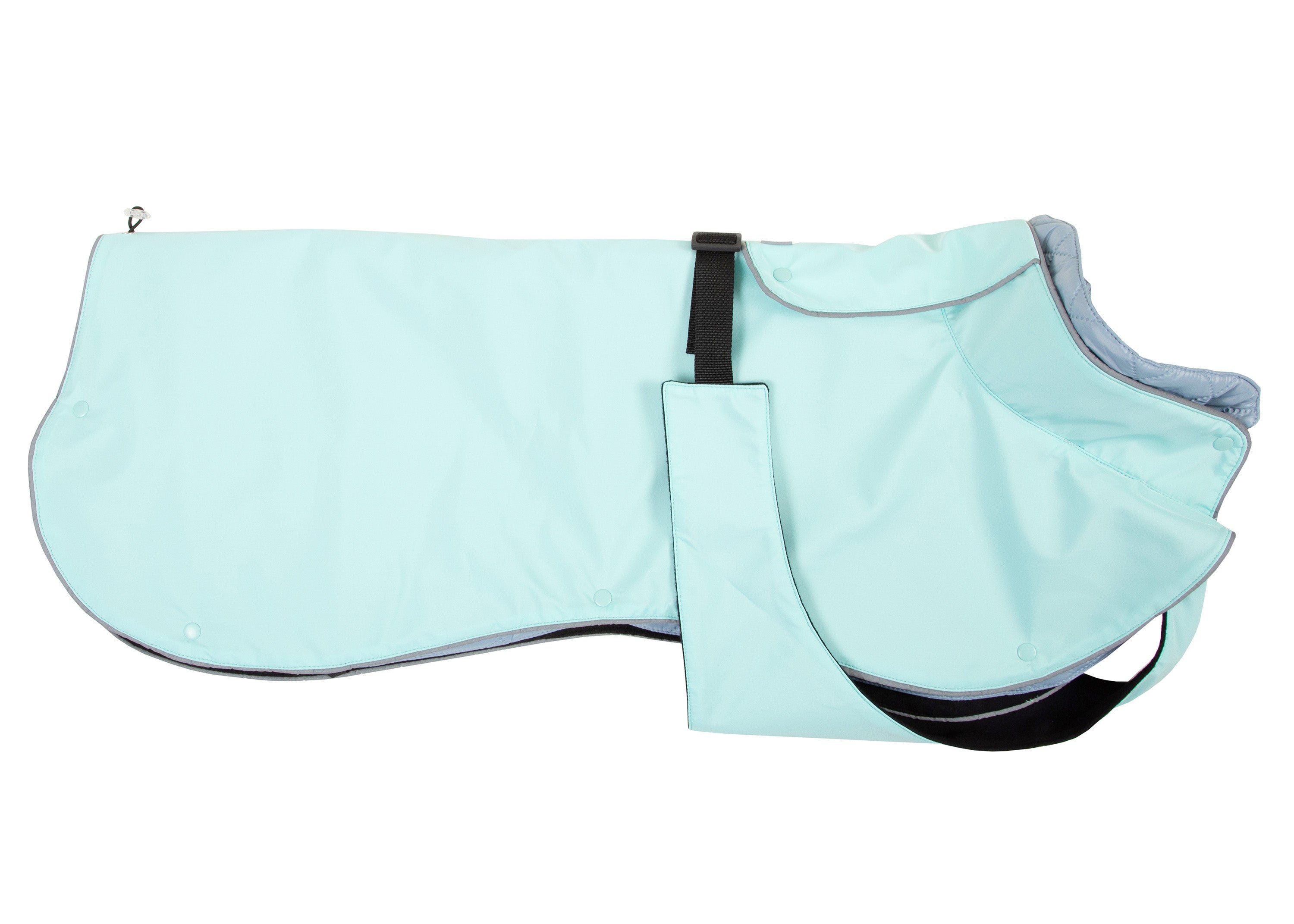
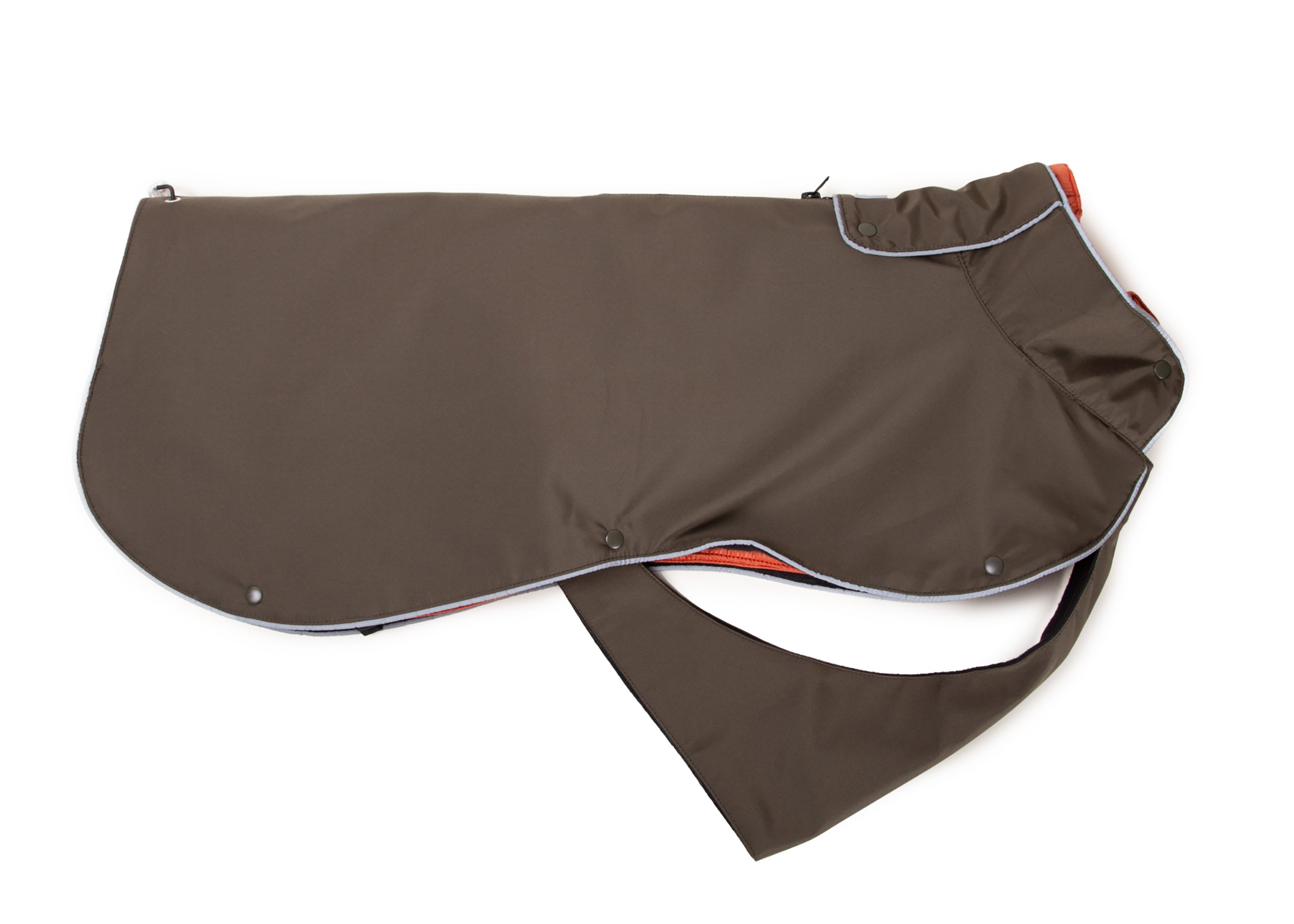
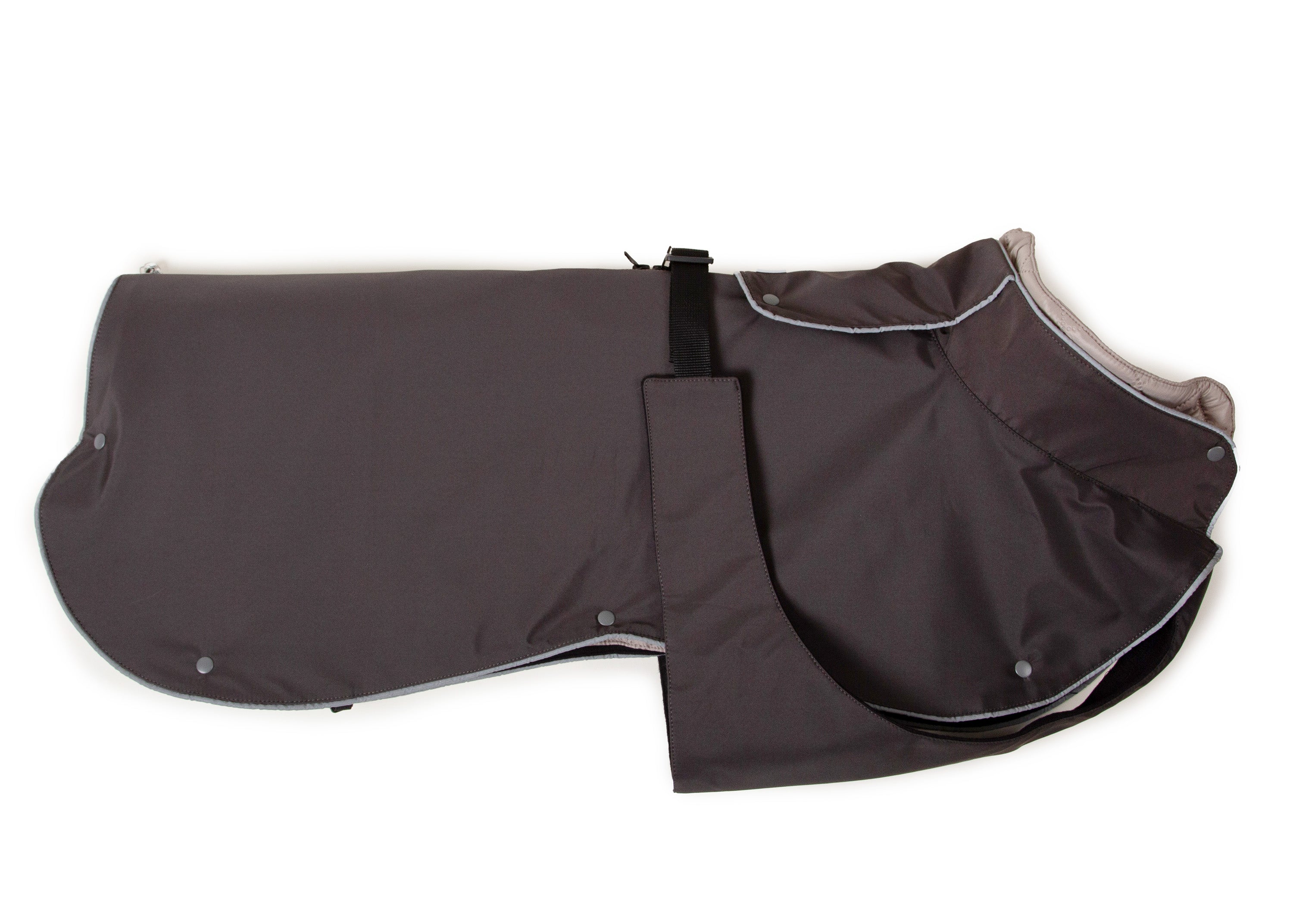
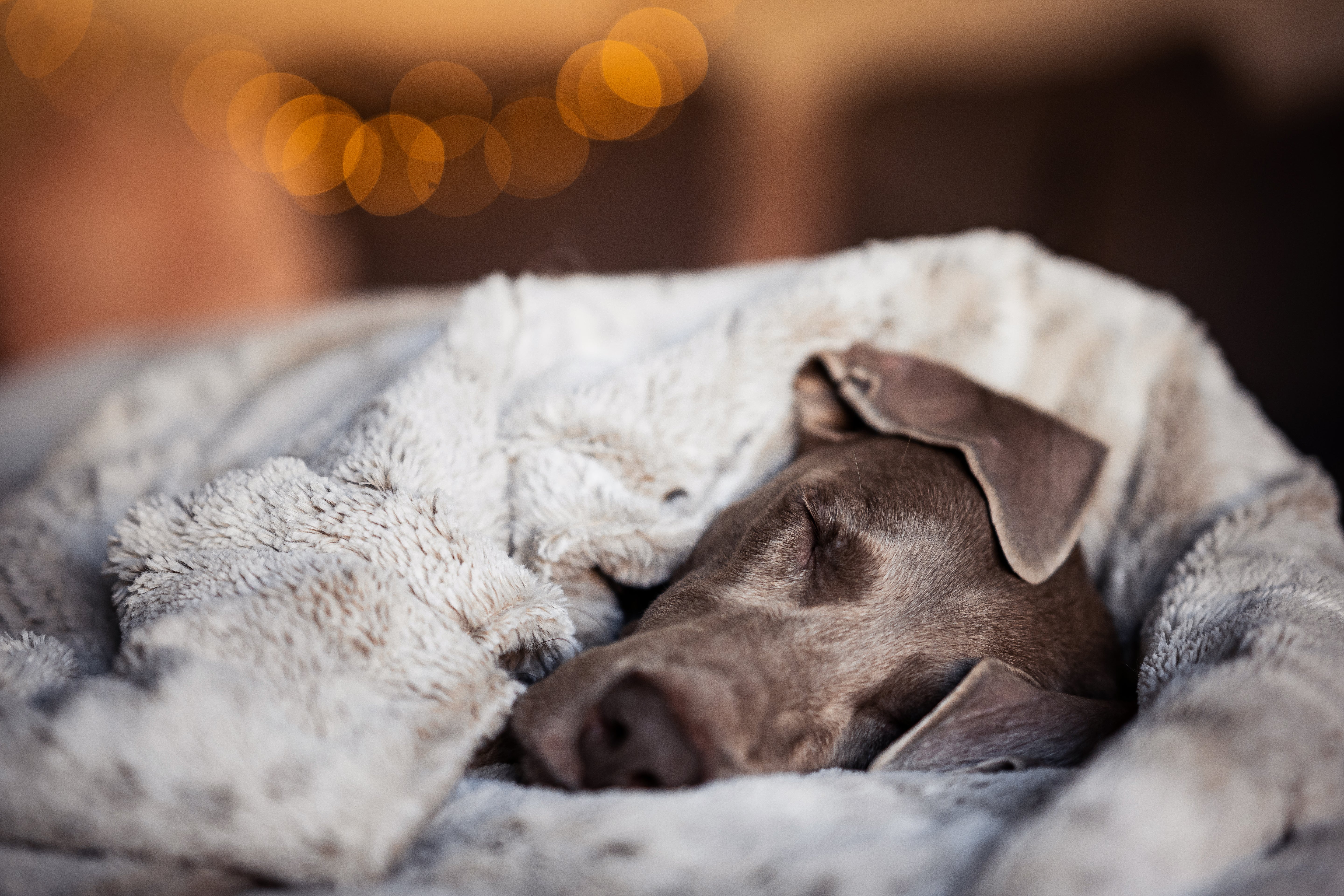
Weniger Muskel- und Fettpolster = schnelleres Frieren. Damit Dein Hundesenior nicht zitternd durch Herbst und Winter stapfen muss, haben wir zwei kuschelige Lösungen parat:
Fazit
Unsere grauen Schnauzen brauchen zwar ein bisschen mehr Aufmerksamkeit–aber sie schenken uns dafür auch die besondere Nähe und Weisheit eines Hundelebens. Und mit der richtigen Pflege, Wärme und einem gemütlichen Schlafplatz können sie das Alter richtig genießen. 💌